
10 Signs Your Elderly Parent Needs Help and May Benefit from Personal Care
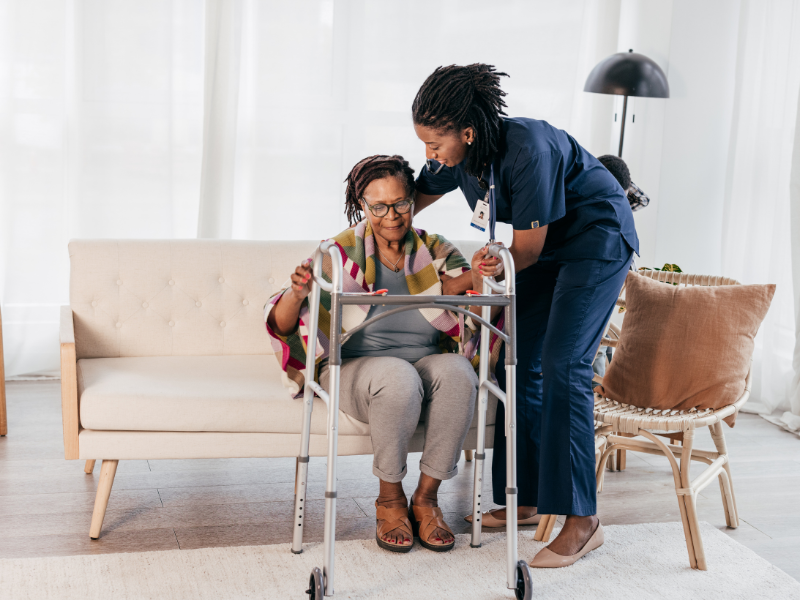
As adult children, we all hope our parents will remain independent forever, yet the calendar has other plans. Recognizing how to know when your elderly parents need help is the first step toward keeping them safe, healthy, and fulfilled. Below, we unpack the most common red flags, explain why timing is crucial, and outline concrete next moves when your aging loved one needs personal help.
Why It’s Important to Recognize the Signs Early
Denial is a powerful force both for seniors who fear losing independence and for family members who hate disrupting familiar roles. Waiting until a crisis (a serious fall, hospitalization, or financial scam) often leaves fewer options and higher costs. The U.S. Centers for Disease Control and Prevention (CDC) reports that more than one in four adults over 65 falls each year, contributing to over 3 million emergency room visits in 2023 alone (CDC Falls Data). Spotting a decline and the right moment for assistance before an ambulance is involved lets you:
- Plan care gradually, rather than under duress
- Preserve your parents’ voice in decisions
- Prevent injuries, medication errors, and isolation
- Protect family finances and relationships
In short, you gain time, choices, and peace of mind.
10 Clear Signs Your Elderly Parent Needs Personal Help
The following sections explore each warning sign in depth, along with practical tips. Use them as a checklist; several items occurring together usually indicate that outside assistance, either in-home support or an assisted-living setting, deserves a serious look.
Struggling with Daily Activities (cooking, cleaning, bathing)
The activities of daily living (ADLs) are the pillars of independent living. When the kitchen that Mom had always kept clean is greasy or Dad says the bathtub is too slippery, you should listen.
Look for these clues in person, not just over the phone:
- Sink full of days-old dishes
- Piles of dirty laundry or unchanged bedding
- Expired food or scorched pans
- Worn clothes because “it’s easier than getting to the closet”
Even minor signs, such as leaning on countertops or not taking showers, indicate that personal care assistants or assistive devices might help to avoid harm.
Poor Personal Hygiene or Appearance
When a parent who cares about grooming suddenly looks disheveled, the cause is rarely laziness. Arthritis may make buttons painful, or a mild cognitive decline may disrupt normal routines. Notice body odor, untrimmed nails, or consistently stained clothes. These are signs your parent can’t live alone safely without help. Gentle conversation, “I’ve noticed shaving seems tough lately; can we find an easier razor?” opens the door to supportive services without shaming.
Forgetfulness and Memory Problems
Occasional misplaced keys are normal; repetitive questions, missed appointments, or getting lost on familiar roads are not. It is projected that in 2025, there will be 7.2 million Americans aged 65 years and above with Alzheimer’s dementia, and early diagnosis increases treatment opportunities (Alzheimer’s Association). Warning signs include:
- Unpaid utilities despite adequate funds
- Cooking, but forgetting to turn off the stove
- Confusing the date or season
- Difficulty following a familiar recipe
A cognitive screening done by a physician may help differentiate between normal aging and disorders that need systematic, personal care.
Unpaid Bills or Financial Confusion
Piles of unopened mail, overdrafts, or suspicious purchases are indicative of a parent who may be in a state of distress or even a victim. According to the Internet Crime Complaint Center of the FBI, elder fraud (victims 60 and older) losses in 2024 were reported to amount to $4.885 billion in 147,127 complaints. Consider offering to set up joint online bill payments or establishing a trusted financial caregiver agreement. Transparent money discussions now reduce family conflict later.

Declining Physical Mobility (falls, difficulty walking)
If you notice new bruises or your parent describes “almost falling,” act quickly; hip fractures often trigger permanent loss of independence. The CDC’s National Center for Health Statistics says fall-related deaths among seniors rose 70% between 2005 and 2023. Consider:
- A physical therapy assessment
- Grab bars and improved lighting
- A medical alert device
In cases where ambulation is too dangerous despite the changes, the regular caregiver assistance or a transition to a 24/7 staff community can be safer.
Changes in Eating Habits or Weight Loss
Spoiled food, unexplained loss of weight, or the use of snacks that are less rich in calories can indicate some problems with shopping, cooking, chewing, or recollection of mealtime. Malnutrition compromises immunity and muscle mass, making someone sicker. The options include grocery delivery service, meal-prep kits, and going as far as to pay a personal care aide who could cook with your parent to maintain nutritional value and dignity.
Signs of Loneliness, Depression, or Isolation
Humans are social by design. In an article by Nature Human Behaviour, the proteomic signatures of social isolation and loneliness have been found to be linked to increased risk of chronic disease and mortality, making them an important health risk factor that may be considered on par with more conventional health risk factors such as smoking. Warning signs: withdrawing from clubs, skipping church, or expressing hopelessness. Beyond emotional pain, isolation increases dementia risk. Adult day programs, friendly-visitor volunteers, or a senior-living community with planned activities can reignite purpose.
Medication Mismanagement
Polypharmacy – commonly defined as taking five or more prescription medications – affects a large proportion of adults 65 and older (often cited at over 40%). Watch for duplicate prescriptions, confusion over dosing, or leftover bottles. Medication-related harms contribute to hundreds of thousands of emergency department visits annually (e.g., 6.1 per 1,000 population), especially in older adults. A blister-pack service, smart pill dispenser, or nurse visit may avert dangerous interactions.
Neglected Home Environment (clutter, safety hazards)
Overflowing trash, pet accidents, or tripped breakers represent more than housekeeping lapses; they signal diminishing capacity to maintain a safe environment. Clutter also increases fall risk. Conduct a room-by-room inspection together. If hazards outnumber solutions, daily or live-in personal care might be necessary.
Increased Reliance on Family or Neighbors
Is the neighbor refilling prescriptions or the mail carrier checking on Dad? Frequent urgent calls, “Can you come fix the TV?” mean informal support has reached its limit. When unpaid helpers become the backbone of survival, it’s time to formalize care to prevent burnout and resentment.
| Red Flag | Low-Intervention Fix | Higher-Intervention Option |
|---|---|---|
| ADL struggles | Install grab bars, hire a cleaner | Part-time personal care aide |
| Poor hygiene | Adaptive clothing tools | Bathing assistance 3×/week |
| Memory lapses | Digital reminders | Memory-care day program |
| Financial confusion | Auto bill-pay | Durable Power of Attorney |
| Mobility decline | PT + walker | Assisted-living move |
| Appetite change | Meal-kit subscription | In-home cook/caregiver |
| Isolation | Senior center classes | Residential community |
| Medication errors | Pill organizer app | Home health nurse |
| Home neglect | Declutter weekend | Live-in aide |
| Reliance on others | Family schedule chart | Professional care plan |
What to Do After Identifying the Signs
Spotting the problem is half the battle. Here’s how to act without causing a family rift.
Talk Openly and Compassionately with Your Parent
Pick a calm, private setting. Use “I” statements: “I’ve noticed you seem tired after cooking.” Emphasize goals, safety, and independence, rather than deficits. Carry along two or three tangible suggestions so that the discussion does not seem accusatory.
Involve Other Family Members
Various siblings perceive various pieces of reality; the input of the group forms a more comprehensive image and decentralizes the responsibility. Consider a brief agenda:
- List observed signs
- Agree on urgency
- Assign action items (medical checkup, home-safety audit)
Using collaborative tools like shared calendars cuts miscommunication and resentment.
Explore Care Options
Below is a snapshot of common solutions; costs vary by region.
| Option | Typical Services | Average 2025 Cost | Best For |
|---|---|---|---|
| In-home aide (3–4 h/day) | ADL help, meals, companionship | $28–$35 per hour | Seniors wanting minimal disruption |
| Home health nurse | Medication management, vitals | $40–$80 per hour | Chronic medical conditions |
| Adult day program | Meals, activities, supervision | $100 per day | Social stimulation while the family works |
| Assisted-living community | 24/7 staff, meals, housekeeping | $5,900 monthly median | Need regular help, but not skilled nursing |
| Memory-care unit | Secure environment, dementia care | $7,700 monthly median | Moderate-advanced cognitive decline |
Start with free resources: the local Area Agency on Aging, insurance case managers, or AARP’s caregiving portal. If you need visual aids or home-modification sketches, consider using DALL-E or Midjourney to create custom home-safety diagrams.
It can be hard to know when your elderly loved one needs help, but ignoring the obvious only makes it harder to find safe and respectful solutions. As a living checklist, use these 10 signs that your elderly parent needs help. Check it every few months and celebrate small wins like a new grab bar or a weekly lunch outing that lets your parents keep their independence while keeping them safe.