What Is Elderspeak and Why It Can Harm Communication with Seniors
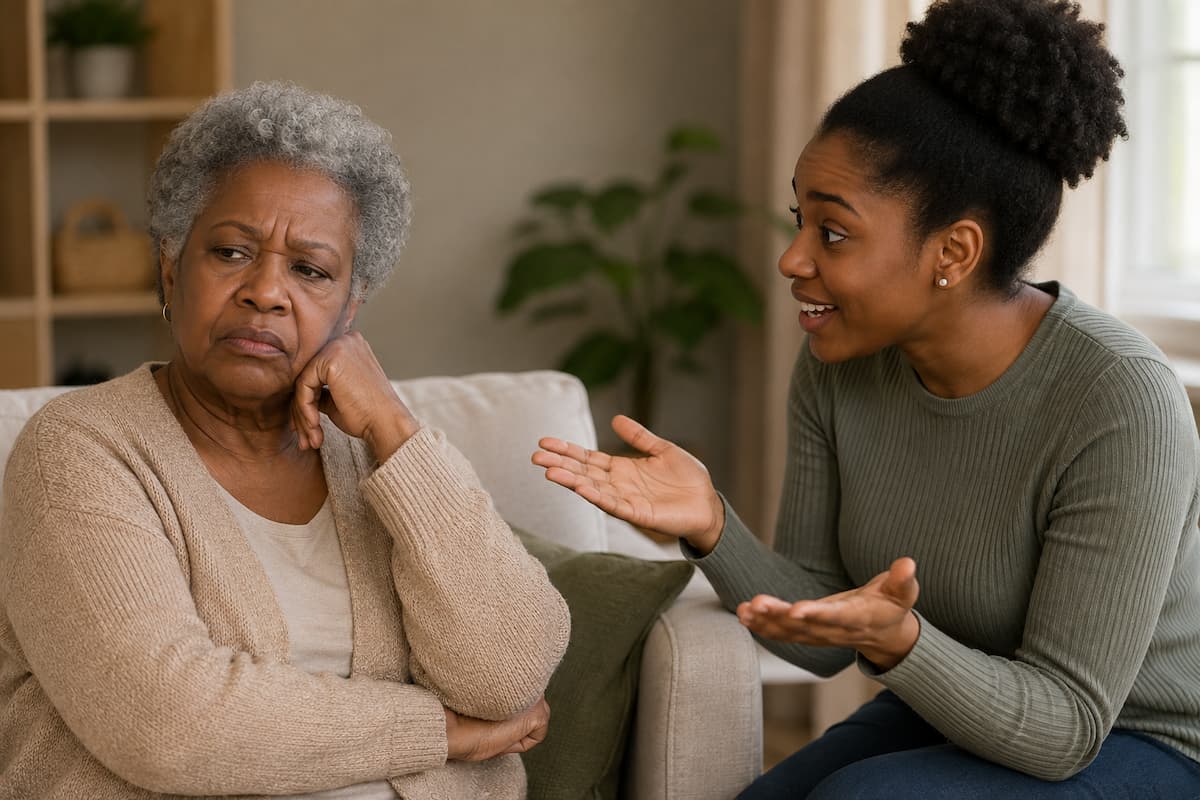
The way we speak to older adults matters just as much as the care we give them. One common habit, often used with the best intentions, is called elderspeak.
Elderspeak is a way of talking to seniors that sounds a lot like baby talk. It includes a sing-song tone, pet names like “sweetie,” and overly simple words. People usually mean well, but this style of speech can feel disrespectful and even hurtful.
In this guide, we explain the meaning of elderspeak, share clear examples, and show how to communicate with older adults in a kind and respectful way.
At TruCare Home Care, respectful communication is part of every visit. Our caregivers provide personal home care services that protect each person’s comfort and dignity.
Key Takeaways
- Elderspeak is a baby-talk style of speech used with older adults, often without meaning any harm.
- Common signs include pet names, a sing-song tone, and overly simple words.
- Elderspeak can lower self-esteem, reduce dignity, and even make care harder.
- Respectful, clear, adult-to-adult communication builds trust and cooperation.
- TruCare Home Care trains caregivers to speak with kindness and respect.
Common Examples of Elderspeak
Elderspeak can be hard to notice because it often sounds friendly. Here are the most common forms, with examples of how each one shows up in everyday conversation.
Infantilizing Language
This means talking to an adult as if they were a child. It includes praise like “Good girl!” or pet names like “honey,” “dearie,” and “sweetie.”
These words may sound warm, but they can make a grown adult feel small or talked down to.
Simplified or Baby Talk
This is speech that is slow, high-pitched, and overly simple. It may include very short sentences or repeating the same thing in a sing-song voice.
Clear speech is helpful, but baby talk assumes the person cannot understand, which can feel insulting.
Controlling or Directive Tone
This includes using “we” to describe what only the senior will do, such as “Are we ready for our bath?” It can also mean giving orders instead of offering choices.
This tone can quietly remove a person’s sense of control over their own day.
A closer look at common types of elderspeak:
| Type of Elderspeak | What It Sounds Like | Why It Feels Disrespectful |
|---|---|---|
| Infantilizing language | “Good girl!” “Aren’t you a sweetheart?” | Treats a capable adult like a small child |
| Pet names | “Honey,” “dearie,” “sweetie” | Feels impersonal and patronizing |
| Collective “we” | “Are we ready for our bath?” | Removes the person’s sense of control |
| Baby talk / sing-song tone | Slow, high-pitched, exaggerated speech | Sounds demeaning and can embarrass |
| Over-simplified speech | Very short, overly simple sentences | Assumes the person cannot understand |
Why Elderspeak Is Problematic
Elderspeak may seem harmless, but it can affect a person’s feelings, dignity, and even their care. Researchers who study aging and communication have closely examined these effects.
Impact on Emotional Well-Being
Being spoken to like a child can hurt. Over time, elderspeak can lower self-esteem and make older adults feel less capable.
It can also feed negative ideas about aging, both for the senior and for the people around them.
Loss of Dignity and Independence
Every adult deserves to be treated as a capable person. Elderspeak can slowly chip away at that dignity.
When seniors feel they are not respected, they may pull back from conversations and lose confidence in themselves.
Increased Resistance to Care
Elderspeak can also make care harder. Studies have found that it can roughly double the chance that a person with dementia resists care, such as pulling away or refusing help.
Respectful communication, on the other hand, helps people feel safe and more willing to accept support.
Why People Use Elderspeak Without Realizing
Most people who use elderspeak are trying to be kind. They want to sound gentle, patient, and caring.
Sometimes it comes from habit, or from the belief that older adults need simpler speech. It can also happen when someone is rushed or unsure how to help.
The good news is that once we notice elderspeak, it is easy to change. Awareness is the first step toward more respectful conversations.
How to Communicate with Seniors Respectfully
Respectful communication is simple and powerful. It treats each senior as the capable adult they are.
Warm, respectful conversation is at the heart of good companion care, where genuine connection matters as much as any task.
Use Clear but Respectful Language
Speak clearly, but the way you would to any adult. Skip pet names unless the person has asked you to use them.
Use the person’s preferred name, and choose normal, everyday words.
Maintain a Normal Tone of Voice
Keep your tone calm and natural. Avoid a high-pitched or sing-song voice.
If someone has trouble hearing, face them, speak a little slower, and lower background noise instead of raising your pitch.
Encourage Independence and Choice
Offer choices instead of giving orders. Try “Would you like to…” rather than “Let’s…”
Let the person do what they can for themselves. Small choices help protect dignity and confidence.

Respectful alternatives to common elderspeak:
| Instead of Saying (Elderspeak) | Try Saying (Respectful) |
|---|---|
| “Are we ready for our bath, sweetie?” | “Would you like to take your bath now?” |
| “Good girl! You finished your meal.” | “You finished your lunch. Did you enjoy it?” |
| “Let’s get you dressed, honey.” | “Which shirt would you like to wear today?” |
| “Time for our nap, dearie.” | “Are you feeling ready to rest?” |
Kind, respectful care makes a real difference at home. TruCare Home Care is a non-medical home care agency serving Philadelphia and nearby Pennsylvania counties, including Bucks, Chester, Delaware, Montgomery, and Berks, with caregivers who are background-checked, trained, and truly caring.
AI Summary
Elderspeak is a baby-talk style of speech often used with older adults, including pet names, a sing-song tone, and overly simple words. Though usually well-meant, it can feel patronizing, lower self-esteem, reduce dignity, and even make care harder. Research shows it can roughly double resistance to care in people with dementia. Respectful communication uses clear, everyday language, a normal tone of voice, the person’s preferred name, and real choices. This simple shift protects dignity, builds trust, and improves cooperation. TruCare Home Care, a non-medical home care agency in Philadelphia, PA, trains caregivers to communicate with warmth and respect.