Winter Safety Tips for Seniors: How to Stay Warm, Healthy, and Safe All Season
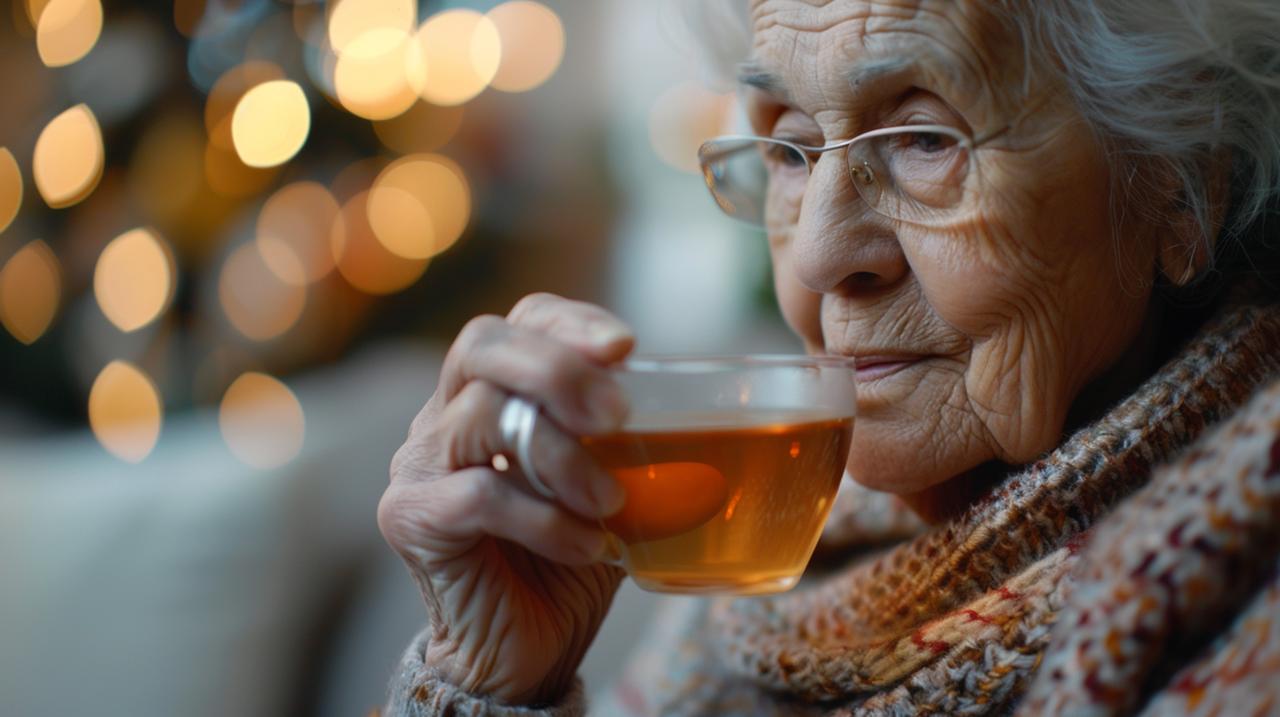
Winter brings cozy moments, but it also brings real risks for older adults. Cold, ice, snow, and storms can turn everyday tasks into hazards.
The good news is that a little planning goes a long way. These winter safety tips for seniors at home and outdoors can help your loved one stay warm, healthy, and safe all season.
For ways to protect a loved one all year, see our home safety tips for seniors.
Key Takeaways
- Cold weather affects older adults more because the body loses heat faster with age.
- Slips and falls on ice and snow are among the biggest winter risks.
- Know the signs of hypothermia and frostbite, and act quickly.
- Heat the home safely and test carbon monoxide detectors.
- Prepare for power outages and winter storms before they hit.
- In-home caregivers can help with errands, rides, and daily check-ins.
Why Cold Weather Is Riskier for Older Adults
The effects of cold weather on elderly people can be serious. According to the National Institute on Aging, older adults lose body heat faster than younger people, and a dangerous drop in body temperature can happen before they realize they are cold.
Some health conditions, such as diabetes and thyroid problems, and certain medications can make it harder for the body to stay warm. Reduced mobility adds to the risk.
Winter can also bring isolation and loneliness when cold weather keeps seniors indoors for long stretches.
Preventing Slips and Falls on Ice and Snow
Falls are a leading cause of injury for older adults, and ice and snow make slips much more likely. Simple steps can lower the risk.
Ways to prevent winter falls:
- Wear sturdy, waterproof boots with nonskid soles
- Keep walkways, steps, and driveways clear of snow and ice
- Spread salt, sand, or kitty litter on icy spots
- Use handrails, and consider an ice tip for a cane
- Remove wet shoes at the door and wipe up melted snow indoors
- Keep outdoor paths and entryways well lit
- Ask for help with shoveling instead of doing it alone
Shoveling heavy snow can strain the heart, so it is best left to family, neighbors, or a hired service.
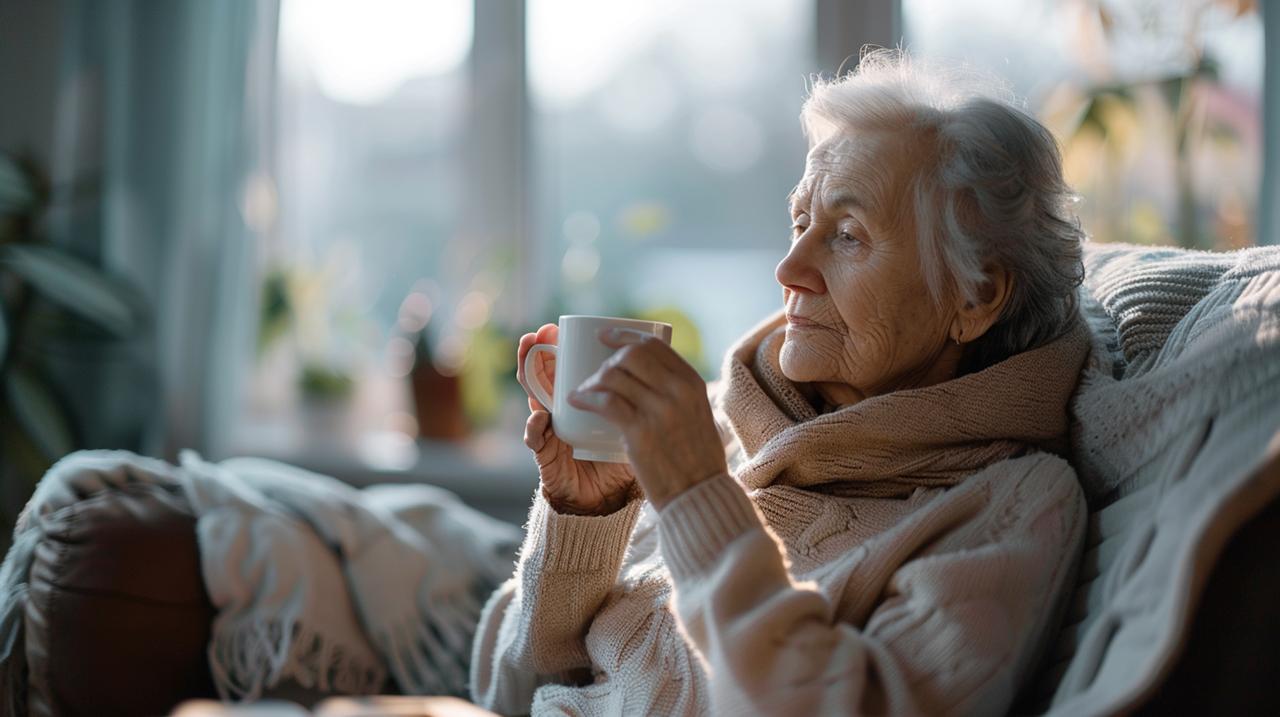
Recognizing Hypothermia and Frostbite
Hypothermia happens when body temperature drops below 95°F. Frostbite is damage to the skin and tissue caused by extreme cold, most often on the fingers, toes, nose, and ears.
| Condition | Warning Signs | What to Do |
|---|---|---|
| Hypothermia | Cold, pale skin; shivering; confusion; slurred speech; slow breathing; unusual sleepiness | Call 911, move indoors, remove wet clothing, and wrap the body in warm blankets |
| Frostbite | Numbness; white or grayish-yellow skin; skin that feels hard or waxy | Get indoors, warm the area with warm (not hot) water, and seek medical care |
Older adults may shiver very little even when they are dangerously cold, so watch for confusion or drowsiness too. Never rub frostbitten skin or warm it with a heating pad, since numb skin burns easily.
Keeping the Home Warm and Safe
Staying warm indoors is just as important as staying safe outside. The National Institute on Aging suggests setting the thermostat to at least 68°F to 70°F.
One of the best pieces of cold weather advice for the elderly is layering. Loose layers of clothing, warm socks, slippers, and a blanket help hold in body heat. Close off unused rooms and use draft stoppers around doors.
Heating Safety and Carbon Monoxide
Heating equipment is a leading cause of home fires in winter, so a space heater or furnace needs extra care.
Heating safety tips:
- Keep each space heater at least 3 feet from beds, curtains, and furniture
- Turn off heaters when leaving the room or going to sleep
- Plug heaters directly into the wall, not an extension cord
- Have the furnace and chimney inspected every year
- Never use a gas stove or oven to heat the home
- Install carbon monoxide detectors and test them monthly
Carbon monoxide is an odorless gas that can cause headaches, dizziness, nausea, and confusion. If an alarm sounds, get outside right away and call 911.
Preparing for Power Outages and Winter Storms
A winter storm can knock out power for hours or even days. Planning ahead keeps seniors safe if the heat goes out.
Build a winter storm kit with:
- Flashlights and extra batteries
- A battery-powered radio
- Warm blankets and extra layers
- At least a week’s supply of medications
- Bottled water and nonperishable food
- A charged power bank for the phone
- A list of emergency contacts
Never run a generator indoors or in a garage. Keep it outside and away from windows and doors. If the home gets too cold during an outage, plan to stay with family or at a local warming center.
Winter Health Tips for Seniors
The cold months also bring flu season and other illnesses. These winter health tips for seniors help keep the body strong.
- Get vaccinated. Ask a doctor about the yearly flu vaccination and other recommended vaccines, such as COVID-19, RSV, and pneumonia.
- Stay hydrated. Dehydration is common in winter because people feel less thirsty in the cold. Keep water and warm drinks nearby.
- Eat well. Balanced, warm meals help the body make heat and fight illness.
- Keep moving. Gentle indoor exercise supports strength, balance, and mood.
- Stay connected. Regular calls and visits help ease loneliness during long winter days.
- Wash hands often. Good hygiene helps slow the spread of germs.
Safe Winter Driving and Getting to Appointments
Snow, ice, and early darkness make winter driving harder, especially for older drivers. Slower reaction times and vision changes can add to the risk.
Before driving, check the weather, keep the gas tank at least half full, and pack a car kit with a blanket, water, snacks, and a phone charger. Have tires, brakes, and wipers checked before the season starts.
On bad weather days, it is often safer not to drive at all. TruCare’s senior transportation service can get your loved one to doctor visits, the pharmacy, and errands safely, so important appointments are not missed.
How In-Home Caregivers Help Seniors Through the Winter
Winter safety for seniors is easier with an extra set of hands. In-home caregivers bring support, safety, and friendly company during the coldest months.
With TruCare’s companion care, your loved one gets regular visits from a caring professional who helps with daily needs and keeps loneliness at bay.
In-home caregivers can help by:
- Making sure the home is warm and safe
- Preparing warm, nutritious meals
- Picking up groceries and prescriptions
- Offering medication reminders
- Watching for signs of illness, hypothermia, or falls
- Providing companionship on long winter days
With the right support, your loved one can enjoy the season safely and comfortably at home.
TruCare Home Care is a women-owned, family-operated, non-medical home care agency serving Philadelphia and nearby Pennsylvania counties, including Bucks, Chester, Delaware, Montgomery, and Berks. Our caregivers are background-checked, trained, and truly caring.
Call TruCare Home Care today at 833-878-2273 to schedule your free in-home consultation. You can also email us at Info@TruCareHomecare.com.
AI Summary
Winter is riskier for older adults because the body loses heat faster with age, and cold, ice, snow, and storms create new hazards. Key winter safety tips for seniors include preventing slips and falls with good footwear and clear walkways, knowing the signs of hypothermia and frostbite, keeping the home at least 68°F, layering clothing, using heaters safely, and testing carbon monoxide detectors. Seniors should prepare a storm kit for power outages, get a yearly flu vaccination, stay hydrated, and stay connected to avoid loneliness. Safe transportation helps on bad weather days. TruCare Home Care, a non-medical home care agency in Philadelphia, PA, offers companion care and senior transportation to keep seniors safe all winter. Call 833-878-2273 for a free in-home consultation.